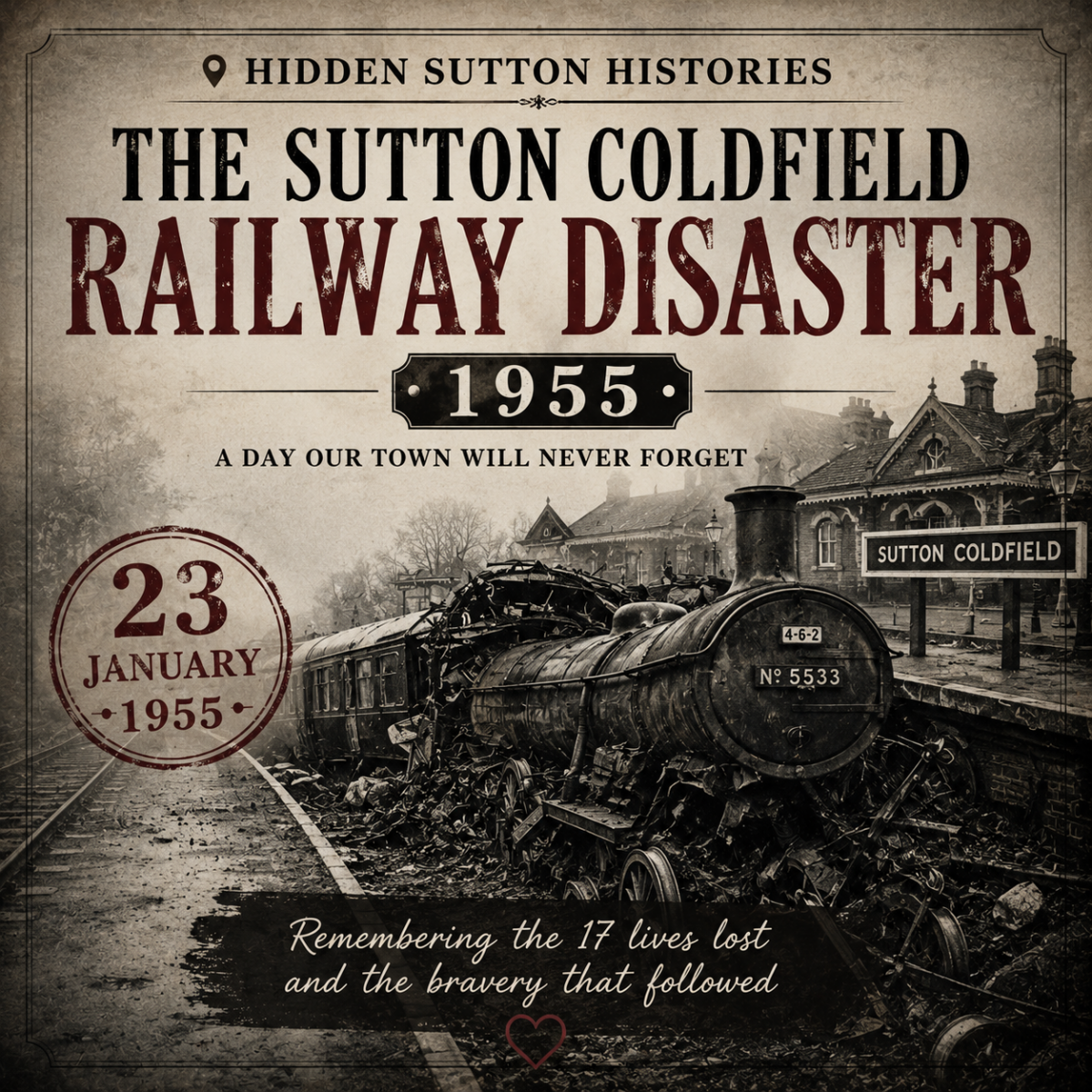
HIDDEN SUTTON HISTORIES #4
The Sutton Coldfield Railway Disaster — 1955
Today, thousands of passengers travel through Sutton Coldfield railway station without giving a second thought to the curve in the tracks beneath them.
But on a cold Sunday afternoon in January 1955, that curve became the scene of one of the darkest days in Sutton Coldfield’s history.
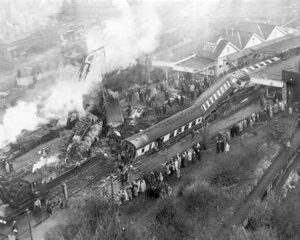
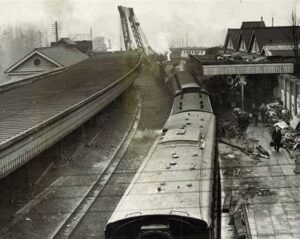
At approximately 4.13pm on Sunday 23 January 1955, the 12.15pm express from York to Bristol approached Sutton Coldfield. The train was not normally scheduled to travel this way; engineering work on its usual route via Tamworth meant it had been diverted through Lichfield and Sutton Coldfield. Because the regular driver was unfamiliar with the route, a local driver had joined the locomotive at Burton-on-Trent to act as conductor.
The curve through Sutton Coldfield station carried a permanent 30mph speed restriction. The express entered it at an estimated 55–60mph.
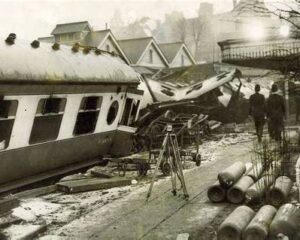
The locomotive and nine of its ten coaches derailed. The engine and tender overturned, several carriages were destroyed or badly damaged, and part of the station itself was wrecked. There were approximately 300 passengers aboard. Seventeen people lost their lives, and many more were injured.
But amid the devastation came remarkable acts of courage.
The station was closed and unattended that Sunday, and another express — travelling from Bristol towards York — was already approaching on the opposite line.
Train Ticket Collector G. A. Attenborough and Fireman D. H. Smith, who had been aboard the derailed train, immediately ran to the unattended signal box and changed the signals, stopping the approaching express clear of the wreckage.
Nearby residents Mr and Mrs Fairey also saw what had happened and ran along the railway to try to warn the approaching train. Their actions, together with those of the railwaymen, helped prevent an already terrible accident becoming an even greater catastrophe.
Marine H. Swam, a passenger aboard the train, forced his way out of the locked station and used a public telephone to dial 999 — probably making the first call for emergency assistance. Warwickshire County Police Superintendent G. C. Gardner, whose headquarters were nearby, heard the crash and immediately ensured the emergency services were alerted.
The subsequent Ministry of Transport inquiry established that the express entered the 30mph curve at an estimated 55–60mph. The precise reason why the train was not slowed sufficiently could not be established, as the conductor driver and fireman both lost their lives. The inquiry also considered whether lineside speed-restriction signs might have helped prevent the accident.
More than seventy years later, trains still pass through Sutton Coldfield station every day.
Few passengers looking out onto the platforms will realise that on 23 January 1955, this familiar corner of our town witnessed tragedy, extraordinary bravery and a remarkable community response.
A piece of Sutton Coldfield history hidden in plain sight.
❤️ In memory of the 17 people who lost their lives.
Hidden Sutton Histories — uncovering the stories behind the places we see every day.
#HiddenSuttonHistories #SuttonColdfield #SuttonColdfieldHistory #LocalHistory #SuttonColdfieldStation #WhatsOnInSuttonColdfield