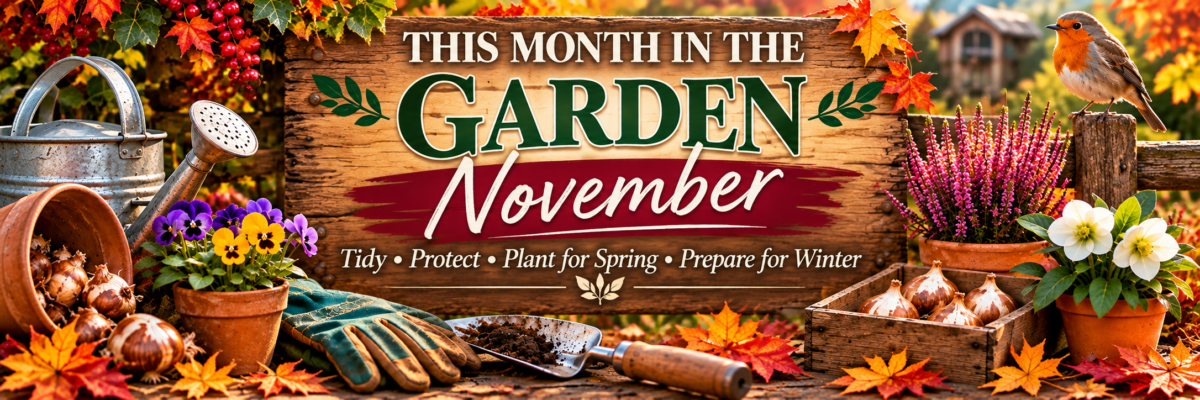
From planting spring bulbs and protecting tender plants to creating beautiful winter containers, November is the perfect time to give your garden a little attention before the coldest months arrive.
In the Garden | November 2026
November brings a quieter, more reflective atmosphere to our gardens. The brilliant colours of autumn begin to fade, the trees gradually shed their remaining leaves, and the first frosty mornings remind us that winter is approaching.
But don’t be tempted to put away your gardening gloves just yet!
For gardeners across Sutton Coldfield, Lichfield and Tamworth, November is one of the most useful months of the year. A little work now can protect precious plants, keep the garden looking attractive throughout winter and reward us with a spectacular display when spring finally arrives.
Whether you have a large garden, a modest patio or just a few hanging baskets, there’s plenty to enjoy outdoors this month.
Here are our essential November gardening jobs, along with some inspiration to brighten the shorter days.
November Gardening Jobs
1. Plant now for a colourful spring
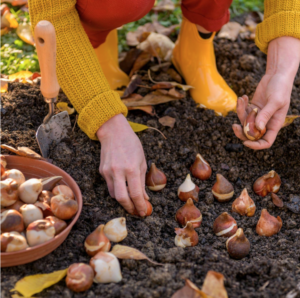
One of November’s greatest pleasures is planting something that won’t reveal its beauty until next spring.
Tulips are particularly well suited to November planting. The cooler soil helps reduce the risk of tulip fire, a fungal disease that can damage leaves and flowers.
Choose firm, healthy bulbs and plant them in a sunny position with well-drained soil.
As a general rule, plant tulips at approximately two to three times the bulb’s height, with the pointed end facing upwards.
For a more natural display, plant bulbs in groups rather than straight lines. Clusters of seven, nine or more can create wonderful splashes of colour.
Daffodils, crocuses, snowdrops and alliums can also be planted if you haven’t already done so, although many are ideally planted earlier in autumn.
If your borders are becoming crowded, consider planting bulbs in containers.
A large pot filled with tulips can look magnificent beside a front door or on a patio.
Our gardening tip: Try layering different bulbs in a deep container, with the largest bulbs at the bottom and smaller varieties above. This technique, often called a bulb lasagne, can provide successive displays of flowers throughout spring.
Make sure the container has adequate drainage, and avoid allowing it to become waterlogged.
2. Give your hanging baskets a winter makeover
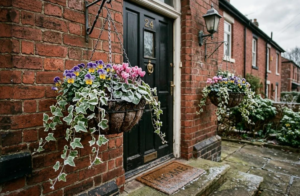
Summer hanging baskets may finally be looking tired, but there’s no reason to leave them empty until spring.
A carefully planted winter basket can bring colour and interest to your home throughout the colder months.
Winter-flowering violas are particularly useful, providing cheerful flowers in shades of purple, yellow, blue and white whenever conditions are favourable.
Hardy cyclamen, especially Cyclamen coum, can add delicate flowers later in winter, while trailing ivy provides attractive evergreen foliage.
Small heathers and ornamental foliage plants can complete the display.
Create your own winter hanging basket
For a basket approximately 35–40cm in diameter, try the following combination:
- Three winter-flowering violas in complementary colours.
- One small hardy heather for height and structure.
- Two trailing ivy plants around the edges.
- One small hardy cyclamen, where suitable for the basket’s position and conditions.
Use fresh, peat-free multipurpose compost and make sure your basket drains freely.
Begin with the taller plant towards the centre or back, then arrange the violas around it.
Position the ivy near the edges so it can trail naturally as it grows.
Water thoroughly after planting, allowing excess water to drain away.
During winter, baskets generally need much less watering than in summer, but check the compost regularly, particularly when hanging beneath a porch or sheltered roof.
Remove faded flowers and damaged foliage to keep the arrangement tidy.
A little extra colour: For a different look, replace the heather with a compact ornamental grass or colourful heuchera.
3. Protect your favourite plants from frost
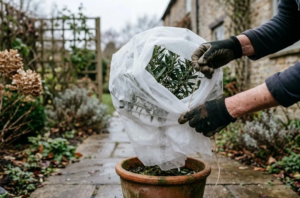
November can bring the first significant frosts of the season, particularly in exposed gardens and low-lying areas.
Plants that have flourished throughout summer may suddenly struggle when temperatures fall.
Tender geraniums, fuchsias and other frost-sensitive plants should be moved into a greenhouse, conservatory or another suitable frost-free location before damaging cold arrives.
For plants that must remain outdoors, horticultural fleece can provide temporary protection during cold nights.
Wrap the fleece loosely around the plant, securing it without crushing delicate stems.
Containers deserve particular attention.
Plants grown in pots are more vulnerable to freezing because their roots are exposed to cold from all sides.
Move containers closer to sheltered walls, group them together and raise them slightly off the ground using pot feet to improve drainage.
You can also wrap the sides of vulnerable pots with insulating material, taking care not to block drainage holes.
Mediterranean plants such as rosemary and lavender generally dislike sitting in cold, saturated compost. Good drainage is often just as important as protection from frost.
Our gardening tip: Avoid feeding tender plants late in the season. New, soft growth is especially vulnerable to winter damage.
4. Look after your lawn — but don’t overdo it
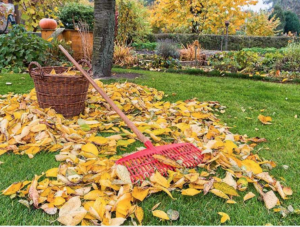
Your lawn may still be growing during mild spells, but November is the time to reduce mowing and avoid unnecessary wear.
If the grass is reasonably dry and still growing, an occasional cut with the mower blades set higher than usual may be helpful.
However, never mow when the ground is frozen, waterlogged or excessively soft.
Walking repeatedly across a saturated lawn can compact the soil and damage the grass.
One job that shouldn’t be neglected is removing heavy accumulations of fallen leaves.
A thick layer of wet leaves can block light and encourage disease, leaving unsightly patches by spring.
Collect them with a rake or leaf blower, but don’t throw them away.
Autumn leaves are a valuable gardening resource.
And that brings us to one of November’s most satisfying jobs.
5. Turn fallen leaves into gardening gold
Leafmould is one of the simplest and most useful soil improvers you can make.
Unlike ordinary compost, which is created largely through bacterial decomposition, leafmould develops mainly through fungal activity.
It improves soil structure, helps retain moisture and creates a better environment for healthy root growth.
And best of all, the raw material is completely free.
How to make leafmould
Collect fallen leaves from your lawn, paths and patio.
Place them into a reusable leafmould sack, wire enclosure or strong bin bag with plenty of ventilation holes.
If the leaves are very dry, dampen them slightly before storing.
Then leave nature to do the work.
Depending on the type of leaves and conditions, the process may take one to two years.
Shredding leaves with a mower can help speed things up.
When ready, the material should be dark, crumbly and earthy-smelling.
Use it as a mulch around established plants or mix well-rotted leafmould into garden soil.
Wildlife tip: You don’t need to remove every fallen leaf. Leave some beneath hedges and shrubs, where they provide shelter for insects and other small creatures.
6. There’s still plenty to do in the vegetable garden
Although summer crops are now a distant memory, the vegetable garden doesn’t have to be empty.
November can be a useful time to plant garlic, provided the soil is not frozen or waterlogged.
Garlic benefits from a period of cold weather, which encourages the bulbs to divide into individual cloves.
Choose healthy, disease-free planting cloves from a reputable supplier.
Plant each clove with the pointed end upwards, approximately 2.5–5cm deep, allowing around 10–15cm between plants and 30cm between rows.
Select a sunny position with well-drained soil.
Autumn-sown broad beans are another possibility, particularly hardy varieties such as ‘Aquadulce Claudia’.
However, success depends on local soil conditions and winter weather.
In heavier, wetter Midlands soils, it may be better to wait until spring rather than risk seeds rotting in the ground.
Existing crops such as leeks, kale, Brussels sprouts and winter cabbages can continue providing fresh produce.
Remove yellowing or diseased leaves and check regularly for pests.
If you have empty vegetable beds, consider covering the soil with compost or well-rotted organic matter.
This helps protect the surface from heavy winter rain and gradually improves soil condition.
7. November is an excellent month for planting roses and trees
As deciduous plants enter dormancy, the bare-root planting season begins.
Bare-root roses, fruit trees, ornamental trees and hedging plants are often available from November until early spring.
They can be considerably less expensive than container-grown specimens.
The important thing is to plant them while the soil is workable — never when it is frozen or waterlogged.
Before planting, remove perennial weeds and prepare a hole wide enough to accommodate the roots without bending or crowding them.
For trees, make sure the root flare is not buried too deeply.
Water thoroughly after planting and apply a mulch around the base, keeping it clear of direct contact with stems or trunks.
If you’ve been thinking about adding a rose, fruit tree or new hedge to your garden, November could be the ideal opportunity.
8. Don’t forget our garden wildlife
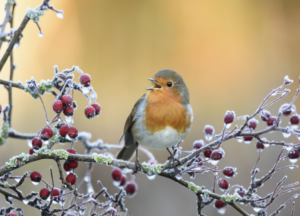
As natural food becomes scarcer, garden birds increasingly appreciate reliable sources of food and fresh water.
Clean bird feeders regularly and provide suitable food in locations where birds can feed safely.
A shallow birdbath can be particularly valuable during freezing weather.
Check it each morning and gently break any ice, replacing the water when necessary.
Never use salt or antifreeze.
Hedgehogs and other wildlife also benefit from undisturbed corners of the garden.
A small pile of logs, twigs and leaves can provide useful shelter.
Avoid disturbing established compost heaps or dense piles of garden material without first checking for animals.
If you’re planning a bonfire, rebuild the pile immediately before lighting it to ensure no hedgehogs or other creatures have taken refuge inside.
And resist the temptation to tidy every border.
Hollow stems, seed heads and fallen leaves provide valuable overwintering habitat for insects.
A slightly untidy garden can be a very wildlife-friendly garden.
9. Five essential jobs before December
If time is limited, concentrate on these five practical tasks:
- Plant your tulip bulbs. November is an excellent time to get them into the ground or containers.
- Protect tender plants. Move vulnerable pots into shelter and prepare fleece for frosty nights.
- Clear heavy leaf cover from lawns and paths. Save suitable leaves for making leafmould.
- Check your garden drainage. Raise containers off wet surfaces and clear blocked drainage holes.
- Prepare for winter weather. Secure lightweight garden furniture, check greenhouse glazing and make sure fences and supports are sound.
A little planning now brings rewards in spring
November gardening isn’t about achieving perfection.
It’s about working with the seasons, protecting what we already have and making thoughtful preparations for the months ahead.
There’s something especially satisfying about planting bulbs on a chilly autumn afternoon, knowing that their colourful flowers will emerge when the days begin to lengthen.
And even as the garden settles into its winter rest, there is still beauty to be found.
The delicate flowers of a winter viola, the rich colours of evergreen foliage, a robin perched on a frosty branch or the last golden leaves catching the afternoon sunlight.
So wrap up warmly, put on your gardening gloves and enjoy a little time outdoors this November.
Your garden — and the wildlife that shares it — will thank you.
Frequently Asked Questions
What should I do in my garden in November?
November is ideal for planting tulip bulbs, collecting fallen leaves, protecting tender plants from frost, preparing winter containers and planting bare-root trees and roses when soil conditions allow.
Is November too late to plant tulip bulbs?
No. November is an excellent time to plant tulips in the UK, provided the ground isn’t frozen or waterlogged.
What flowers can I plant in November in the UK?
Winter-flowering violas, hardy heathers and suitable cyclamen are useful choices for seasonal containers. You can also plant tulip bulbs for spring flowers.
Should I cut my lawn in November?
Only if the grass is still growing and conditions are suitable. Avoid mowing when the lawn is wet, frozen or waterlogged.
How do I protect potted plants from winter frost?
Move vulnerable containers to a sheltered position, use horticultural fleece where appropriate, insulate pots and ensure excess water can drain away.
What’s On in Sutton Coldfield — In the Garden
Our monthly gardening feature brings seasonal advice, planting inspiration and practical ideas for gardeners across Sutton Coldfield, Lichfield, Tamworth and the surrounding areas.
For further expert guidance, visit the Royal Horticultural Society at rhs.org.uk.