📍 Hidden Sutton Coldfield…The Lost Racecourses of Sutton Coldfield
Today, Four Oaks is synonymous with elegant homes, leafy avenues and one of the most prestigious addresses in the Royal Town. Yet in the late 19th century, this quiet corner of Sutton Coldfield was alive with the roar of crowds, the thunder of hooves and the spectacle of high Victorian sporting ambition.
Few realise that Sutton Coldfield once hosted two significant racecourses — first in Sutton Park’s Longmoor Valley, and later at Four Oaks Park — both drawing vast crowds and national attention before quietly disappearing from the landscape.
The Longmoor Valley Course (1868–1879)
Before Four Oaks rose to prominence, racing in Sutton was centred in Longmoor Valley within Sutton Park. Operating from 1868 until 1879, this course was an oval track of approximately 1¼ miles in circumference, with a seven-furlong straight. It became a popular destination for racegoers across the Midlands during a period when horse racing was both a major sporting event and a vibrant social occasion.
The final two-day meeting at Longmoor took place in August 1879. While little visible evidence survives today, local history research has identified what may be remnants of boundary markings and landscape features associated with the earlier track. Its closure left a gap in the regional racing calendar — and sparked a bold new vision.
The Grand Vision: Four Oaks Park Racecourse (1881–1889)
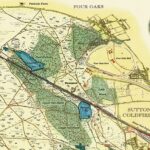
Following the closure of Longmoor, Clerk of the Course John Sheldon embarked on an ambitious project. Nearly 250 acres of land at Four Oaks Park were purchased from Sir John Hartopp at enormous cost — around £40,000 to develop the racecourse itself (well over £5 million in modern terms). In total, approximately £60,000 was invested in land and development.
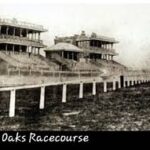
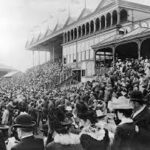
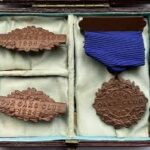
The result was a sweeping 1½-mile course that encircled Four Oaks Hall. It was, by all accounts, magnificent. Five grandstands were constructed, capable of accommodating thousands of spectators — contemporary accounts suggest capacities between 3,000 and 5,000 — and annual membership badges were issued to supporters.
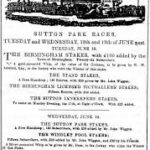
The inaugural two-day meeting took place on Thursday 17th and Friday 18th March 1881. Almost 20,000 people attended, witnessing Pride of Prussia win the principal race, the Grand National Hunt Steeplechase, while Quibble secured victory in the Birmingham Grand Annual Chase. Four Oaks Park was unusual in offering both Flat and National Hunt racing — a progressive feature for the era.
In June 1881, the brilliant and nationally renowned jockey Fred Archer rode eight winners across two days — an extraordinary achievement that placed Four Oaks firmly on the racing map.
Drama, Controversy & Decline
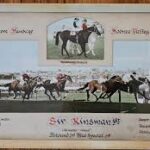
Like many Victorian sporting ventures, Four Oaks was not without drama. In April 1882, wealthy amateur jockey George Alexander Baird (riding under the name Mr Abington) won a race at the course, only to be disqualified for failing to make the correct weight. Matters escalated when inappropriate remarks were reported to the Stewards. The incident was referred to the National Hunt Committee, who warned Baird off for two years. Although he later returned to race at Four Oaks, his reputation never fully recovered, and he died at just 31 years of age.
Despite early glamour and significant attendance figures, financial pressures mounted. Maintaining such an ambitious facility proved costly, and crowd numbers fluctuated. By the late 1880s, the grand vision was becoming unsustainable.
The final meeting at Four Oaks was held on Thursday 22nd and Friday 23rd August 1889. Just one year later, on 28th August 1890, Four Oaks Hall, the racecourse and surrounding land were sold at a loss. The era of racing in Four Oaks had come to an end, and redevelopment soon followed.
What Remains Today?
Very little visible evidence survives — but traces linger in the landscape.
Local research suggests:
- The grandstand once stood near the present site of Four Oaks Tennis Club.
- Overgrown ditches identified in later studies may mark boundaries of the earlier Longmoor Valley course.
- The line of development on the Four Oaks Hall Estate reflects the footprint of the former racecourse.
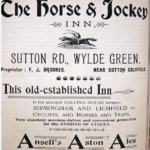
Perhaps the most familiar surviving link is the Horse and Jockey public house on Jockey Road. Its name is widely believed to reflect the crowds of racegoers who once passed through Sutton on their way to the track. In the 19th century, race days brought enormous footfall, transforming local inns into bustling hubs of activity. Even after racing moved from the commons into Sutton Park, and later to Four Oaks, the pub continued to serve travellers and sporting visitors alike.
A Forgotten Chapter of the Royal Town
Today, as we walk through Four Oaks or enjoy the tranquillity of Sutton Park, it is difficult to imagine the scale of the spectacle that once unfolded here — grandstands filled with spectators, bookmakers calling odds, finely dressed Victorians gathering for social display, and the raw power of thoroughbreds racing across what is now peaceful residential land.
The racecourses of Sutton Coldfield represent a fascinating chapter of ambition, entertainment and enterprise — a reminder that beneath the elegant streets and quiet parkland lies a history of roaring crowds and bold Victorian vision.
If you know of another lost landmark, hidden site or forgotten story from Sutton Coldfield’s past, we would love to hear from you.
Hidden Sutton Histories continues…